%2Ffit-in%2F250x250%2Fguide_websites%2F10717%2Fimages%2F1775086559438logo1.jpg&w=1920&q=100)
King Mackerel Catch in Sneads Ferry, NC
King Mackerel and Bonito Fishing in Sneads Ferry - What to Expect
5.0

2 Reviews
- 5
 100%
100% - 4
 0%
0% - 30%
- 20%
- 10%
%2F%2Fusers%2F374ead36-9b5a-41ae-8e07-2fc779b32884%2Fimages%2Ftuna-catch-sneads-ferry-dock-12460.png&w=1920&q=75)
Fishing Charter by Captain Daniel Powell in April
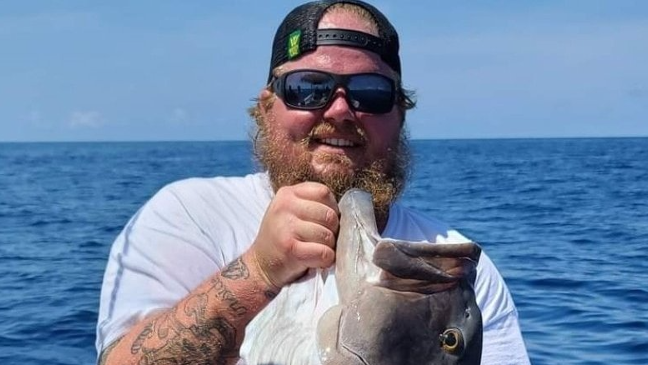
Meet your Captain Daniel Powell
- Adventures of Snead's Ferry Fishing Charters!


Summary
Experience a full-day fishing charter in Sneads Ferry, NC aboard Badfish Fishing Charters with Captain Daniel Powell on Sunday, April 19. This offshore fishing charter takes you 30-40 miles into productive deep-water habitat where King Mackerel, Atlantic Bonito, Little Tunny, Mahi Mahi, and Snapper strike hard. With expert crew guidance, quality gear, and up to 6 hours of fishing action, you'll have everything needed for a successful day chasing trophy catches on the open Atlantic.
Offshore Fishing with Captain Daniel Powell - Rates & Booking
Captain Daniel Powell of Badfish Fishing Charters operates full-day offshore charters from Sneads Ferry, NC on Sunday, April 19. These extended 6 to 8-hour fishing trips take you 30-40 miles offshore into prime deep-water territory where serious catches await. Your charter accommodates up to 6 guests, providing ample opportunity to bring your fishing crew for a day of genuine offshore action.
Included in your charter: all professional-grade fishing equipment, expert guidance from Captain Powell and his experienced first mate, and the expertise needed to locate and land King Mackerel, Atlantic Bonito, Little Tunny, Mahi Mahi, Snapper, Grouper, Spanish Mackerel, Black Seabass, Grunt, and Porgy. North Carolina fishing licenses are handled, so you can focus entirely on the fishing. Fair warning from satisfied anglers: the strike rate and catch volume on these offshore trips often exceed expectations. Book your spot now through Badfish Fishing Charters to secure your offshore adventure.
Highlights of Full-Day Offshore Fishing – Up to 40 Miles Out
These extended offshore charters deliver the real deep-sea experience. By traveling 30-40 miles from the Sneads Ferry docks, you're accessing premium fishing grounds where multiple trophy species congregate in deeper, cooler waters. The combination of distance, duration, and professional expertise means more time on productive grounds and higher odds of connecting with larger, more aggressive fish.
Recent trips have yielded impressive hauls of Atlantic Bonito, King Mackerel, and Little Tunny—aggressive strikers that provide non-stop action. Captain Powell's team knows exactly where these species congregate by month and season, adjusting tactics to match current conditions. The crew's skill at locating structure and reading the water separates a good day from an unforgettable one.
Local Species Insights: King Mackerel, Atlantic Bonito, and Little Tunny
The offshore waters surrounding Sneads Ferry, NC host some of the Atlantic coast's most sought-after gamefish. King Mackerel are aggressive apex predators that strike fast and fight hard, their streamlined bodies built for speed and power. These fish thrive in the deeper blue water where temperatures stabilize and baitfish concentrate. King Mackerel respond explosively to live bait presentations and trolled lures, making them ideal targets for charter fishing.
Atlantic Bonito are smaller but equally aggressive, schooling fish that often arrive in the offshore zone in impressive numbers. Their sleek, torpedo-shaped bodies and lightning-fast metabolism keep them constantly feeding. Little Tunny round out the trio—hard-pulling fighters with spotted patterns and surprising strength for their size. All three species are built for combat in open water, preferring the deeper zones that require the offshore charter format to access effectively.
The offshore environment itself plays a critical role in the fishing experience. Beyond the continental shelf, water clarity often improves, temperatures drop to optimal ranges for these species, and nutrient upwelling supports dense concentrations of baitfish. This creates a natural gathering point where predatory species cluster. When conditions align—and Captain Powell's experience ensures they do—the bite can be relentless. The combination of species diversity, aggressive feeding behavior, and the raw power of ocean-going fish makes offshore charters around Sneads Ferry a premier East Coast fishing destination.
Plan Your Offshore Fishing Day
Plan to arrive at the dock early for your 6 to 8-hour offshore charter. Captain Powell's boat is equipped with all necessary fishing tackle, rods, reels, and safety equipment. Your group of up to 6 guests will have comfortable space to fish and move around the deck, with the crew handling most technical aspects so you can focus on catching. Bring sunscreen, polarized sunglasses, and non-slip shoes. The offshore environment means exposure to sun and salt spray, so layered clothing is smart even on warm days.
The charter targets multiple species across various depths and distances, meaning your experience will include periods of active fishing, trolling time, and crew instruction on technique. First-time offshore anglers receive patient guidance on tackle, casting, fighting techniques, and boat safety. Experienced anglers will appreciate Captain Powell's local knowledge and willingness to adapt to what the fish are doing. By day's end, you'll have encountered the raw power of genuine offshore fishing and likely logged more fish than most shore-based trips could deliver.
Fishing in Snead's Ferry, NC: Little Tunny, King Mackerel and Atlantic Bonito
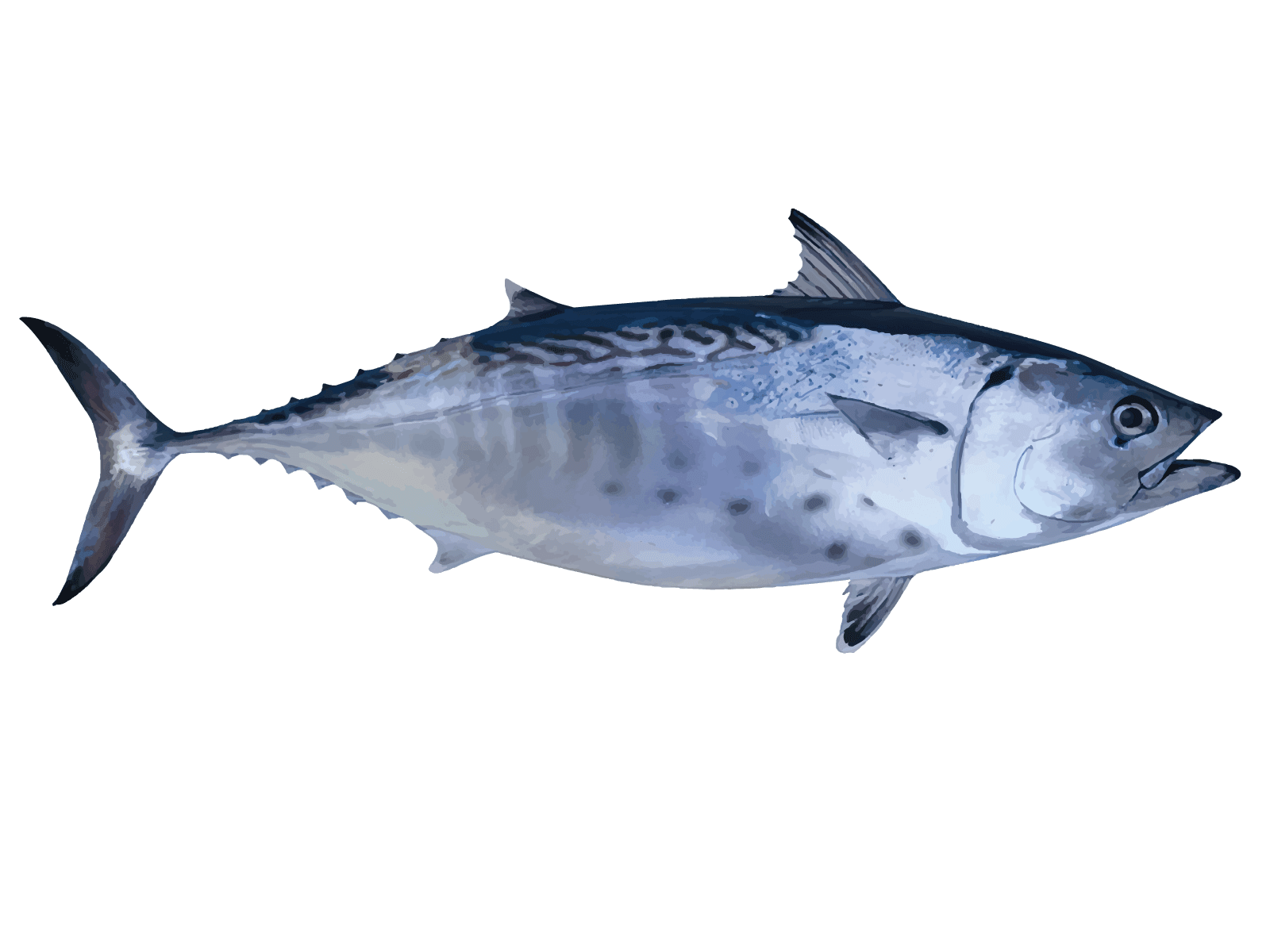
Little Tunny Overview
The Little Tunny (Euthynnus alletteratus) is a compact powerhouse of the Scombridae family, belonging to the order Perciformes. Also called Bonita or False Albacore, this smaller tuna variant has earned a devoted following among recreational anglers for its explosive fighting spirit and acrobatic runs. With a distinctive torpedo-shaped body, dark metallic blue coloring accented by blue-green stripes, and characteristic black fingerprint-like spots running along its sides, the Little Tunny is unmistakable once you've encountered one. What makes this species particularly exciting is that it's one of the more accessible tuna species for anglers targeting larger game fish, yet it delivers all the thrills you'd expect from the Scombridae family. Whether you're fishing the Atlantic coast or exploring nearshore reefs, these migratory fish offer year-round opportunity and consistently rewarding action.
Little Tunny Habitat and Distribution
Little Tunny are pelagic fish that thrive in warm to temperate coastal waters throughout the Atlantic Ocean and beyond. They prefer staying in nearshore waters, typically hugging the surface and concentrating around structure such as points, inlets, jetties, and sandbars where their prey congregates. These highly migratory fish travel in schools, moving southward during fall and winter months in search of warmer waters. You'll often find them swarming underneath jetties and around rocky outcrops, particularly when schools of baitfish are present. The species is native to Atlantic regions and can be encountered from spring through early winter depending on your location, with peak activity occurring during the warmer months when they're most aggressive and readily available to anglers.
Little Tunny Size and Weight
The Little Tunny is typically measured by weight rather than length, with average specimens ranging from 10 to 12 pounds. In terms of length, you can expect catches between 24 and 48 inches, though most fish encountered will fall in the mid-range of this spectrum. While the average weight hovers around 10–12 pounds, these fish can exceed 20 pounds, and the all-time record stands at approximately 36 pounds. Don't let the smaller size fool you—pound for pound, these fish fight with intensity that belies their modest dimensions, making them exciting targets for light-tackle and fly-fishing enthusiasts alike.
Little Tunny Diet and Behavior
As carnivorous hunters, Little Tunny are aggressive feeders that primarily consume small fish and invertebrates, particularly those found in concentrated schools. They actively hunt squid, crustaceans, and small baitfish, and they've developed a schooling strategy that amplifies their hunting efficiency—traveling in coordinated groups allows them to corral prey and overwhelm localized concentrations of food. One telling sign of their feeding activity is the noise they make while eating; experienced anglers learn to listen for the distinctive splashing and commotion that reveals an active school below the surface. These fish are relentless swimmers with high metabolic demands, which means they're almost always willing to chase fast-moving presentations. Their behavior shifts seasonally with migration patterns, becoming more active and aggressive as water temperatures warm during spring and early summer months.
Little Tunny Spawning and Seasonal Activity
Little Tunny exhibit distinct seasonal patterns driven by water temperature and prey availability. These fish are highly migratory, undertaking significant north-south movements with the changing seasons. During fall and winter, populations move southward toward warmer waters, while spring and summer see their return to northern regions where cooler, nutrient-rich waters support abundant forage. Their relatively short lifespan of approximately five years means each cohort moves through their life cycle quickly, contributing to the need for seasonal movement and continuous feeding. Peak activity for anglers occurs during spring through early fall, with summer typically offering the most consistent action. Understanding these seasonal movements is crucial for planning fishing trips, as your success depends heavily on timing your visit when populations are actively feeding in your target area.
Little Tunny Techniques for Observation and Capture
Trolling stands as the most effective and popular method for targeting Little Tunny. Set up multiple fishing lines with ballyhoo or mullet, adorned with brightly colored feathers to attract strikes. Since these fish school, working a productive area with multiple lines increases your odds significantly. Troll at moderate speeds in nearshore waters, focusing on areas with structure like jetties, points, and sandbars where schools tend to congregate. The key is patience and coverage—let your presentations work through the water column where these migratory fish are actively hunting.
Fly fishing offers thrilling sport for those seeking a lighter-tackle experience. Use lightweight streamers or poppers, casting toward visible activity or structure where you suspect schools are holding. The critical technique here is restraint—allow the fish to do the work rather than aggressively stripping or jerking your line, as these aggressive fish will take and the sudden tension could cause breakage. Around coastal inlets and nearshore reefs, sight-casting to visible schools can produce explosive strikes that rival any saltwater experience.
Live bait casting near structure is another productive approach. Deploy live Bluefish, Pinfish, or other small baitfish around jetties, rocks, and drop-offs, allowing them to swim naturally. These fish won't hesitate to chase live prey, and the advantage is that you can cover specific high-percentage zones methodically. Early morning and late afternoon often produce the most consistent activity, as feeding intensity increases during these lower-light periods.
Little Tunny Culinary and Utilization Notes
Little Tunny flesh is distinctly red compared to other tuna species, which sometimes creates confusion among consumers unfamiliar with the species—some worry it resembles red tide contamination when it's simply the natural color. The meat is robust and strongly flavored, more assertive than typical Yellowfin Tuna, which appeals to anglers who prefer deeper, meatier profiles. While edible, these fish are classified as average for food quality compared to larger tuna species, partly due to their texture and flavor intensity. If you decide to keep one for the table, thorough cleaning is essential, particularly the stomach cavity—Little Tunny are known to harbor various parasites, so proper preparation is non-negotiable. Fresher fish display redder meat, so judge quality by color intensity. Many anglers practice catch-and-release with these fish, valuing them primarily for the sport they provide rather than the culinary reward, though they certainly make acceptable table fare when properly handled.
Little Tunny Frequently Asked Questions
Q: What is the best bait or lure for Little Tunny?
A: Brightly colored feathered lures, ballyhoo, mullet, live Bluefish, and Pinfish all work exceptionally well. The key is movement and visibility—these fish are aggressive hunters that respond to fast, erratic presentations. Fly-fishing with streamers also produces excellent results for sight-casting scenarios.
Q: Where can I find Little Tunny near coastal jetties and inlets?
A: Little Tunny congregate around structure like jetties, rocky points, sandbars, and inlets where baitfish schools gather. Early morning trips to these locations often yield the best activity, as feeding intensity increases during dawn hours.
Q: Is Little Tunny good to eat?
A: Yes, though it's considered average for culinary quality compared to larger tuna species. The meat is naturally red and strongly flavored—deeper and more assertive than typical tuna. If keeping one for the table, ensure thorough cleaning to remove parasites, which this species is known to harbor.
Q: When is the best time to fish for Little Tunny?
A: Spring through early fall offers peak activity, with summer typically the most consistent period. These migratory fish move southward during fall and winter, so plan your trip accordingly. Early morning and late afternoon sessions often produce the most aggressive feeding activity.
Q: How hard do Little Tunny fight?
A: Pound for pound, these fish are outstanding fighters known for explosive strikes, aggressive runs, and acrobatic behavior. They're considered excellent odds for anglers seeking thrilling action, and many experienced saltwater fishermen specifically target them for this reason.
Q: What techniques work best for Little Tunny—trolling, casting, or fly-fishing?
A: All three techniques are effective depending on conditions and preference. Trolling with multiple lines covers water efficiently and works well in open water. Casting live bait near structure produces strikes in specific zones. Fly-fishing provides sport and elegance for sight-casting to visible schools, though each method requires patience and proper technique to succeed.
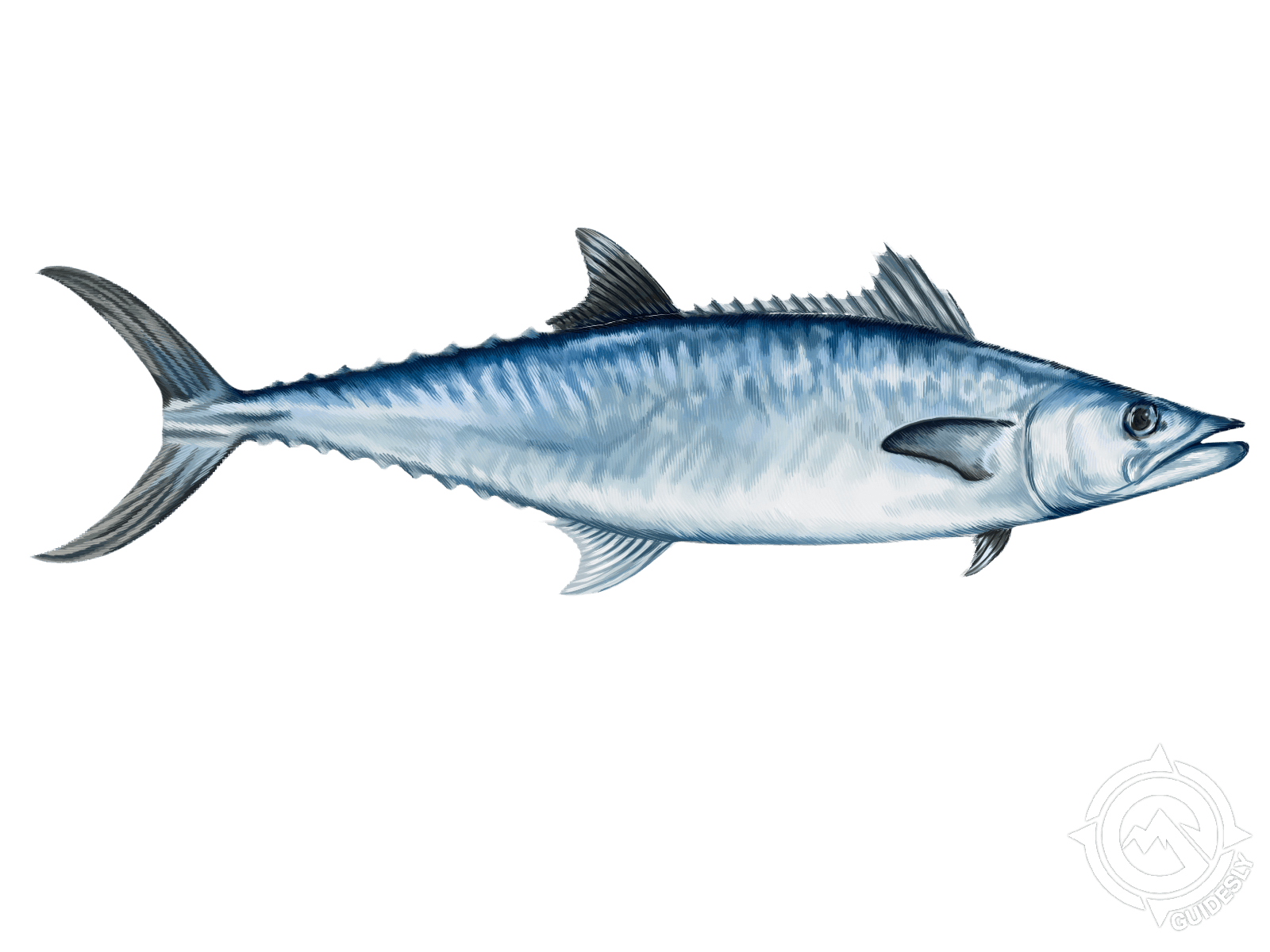
King Mackerel Overview
The King Mackerel (Scomberomorus cavalla) is a prized saltwater gamefish belonging to the family Scombridae and order Perciformes. Also known as Kingfish or Spanish Mackerel, this migratory powerhouse is famous among anglers for its lightning-fast runs and aggressive strikes. What makes the King Mackerel instantly recognizable are its small, loosely attached scales covering an olive-green back that contrasts beautifully with a silvery-white belly and shimmering, rosy iridescent sides. Younger specimens sometimes display brownish or yellowish spots on their flanks. Native to subtropical waters, King Mackerel are found throughout the Atlantic Coast and Gulf of Mexico, with particularly strong populations near North Carolina and Brazil. If you've ever chased a silver bullet through the water off the coast, chances are you've tangled with one of these magnificent fish.
King Mackerel Habitat and Distribution
King Mackerel are subtropical specialists that thrive in warm Atlantic and Gulf waters, ranging from the Gulf of Maine down through North Carolina, the entire Gulf of Mexico, and extending to Brazil—especially around Rio de Janeiro where they're incredibly abundant. These fish are also found in the Bay of Bengal and throughout the Indian Ocean and Arabian Sea. They prefer depths between 40 and 150 feet during normal conditions, though larger specimens often venture inshore to harbors and inlet waters as deep as 590 feet. Water temperature is crucial to their distribution; they're most active and concentrated in waters ranging from 68 to 84°F. Understanding these depth and temperature preferences is essential for anyone planning a King Mackerel fishing adventure along the Atlantic coast.
King Mackerel Size and Weight
King Mackerel are considered medium-sized fish, with a typical size range of 19 to 72 inches in length. Most caught specimens weigh between 10 and 20 pounds, though specimens commonly reach 30 pounds, and trophy-sized individuals have exceeded 90 pounds. An interesting biological detail: females significantly outweigh males at the same age. For example, a seven-year-old female King Mackerel might tip the scales at 22 pounds, while a male of identical age weighs only about 11 pounds. This sexual dimorphism in growth rates makes trophy hunting for larger specimens a realistic goal for dedicated anglers in coastal regions from North Carolina to Texas.
King Mackerel Diet and Behavior
As an opportunistic carnivore with an almost legendary voracious appetite, the King Mackerel is an aggressive hunter that feeds on a varied menu depending on seasonal availability. Their diet includes Blue Runner, Northern Mackerel, Striped Anchovy, Weakfish, Cutlassfish, Jack, Menhaden, and squid. What makes these fish particularly thrilling for anglers is their explosive feeding behavior—they're known to strike with extreme aggression and make blistering runs that can strip line from even well-spooled reels. Their teeth are notably similar to those of Bluefish, making them formidable predators capable of inflicting serious damage to bait and lures alike. King Mackerel behavior varies seasonally with water temperature and bait availability; they're most active when waters warm and migratory baitfish move through their territories. Their speed is legendary and matched only by the Wahoo, their distant relative, making them one of the most exciting gamefish to pursue.
King Mackerel Spawning and Seasonal Activity
King Mackerel are broadcast spawners, releasing sperm and eggs into the water column where fertilization occurs by chance. One of the most remarkable aspects of their reproductive biology is the incredibly short incubation period—fertilized eggs hatch in less than a day! This rapid development strategy allows populations to capitalize on favorable feeding conditions. Their migratory patterns are closely tied to water temperature; as coastal waters warm in spring and early summer, King Mackerel move northward and into shallower waters, creating peak fishing opportunities. As fall arrives and water temperatures drop, they migrate southward to warmer Gulf waters and deeper offshore zones. Understanding these seasonal movements is critical for planning successful fishing trips, whether you're targeting them off North Carolina in summer or pursuing Gulf populations in winter.
King Mackerel Techniques for Observation and Capture
Trolling with Large Lures: The most effective method for King Mackerel involves trolling at speeds between 8 and 12 knots using large planers, heavy tackle rated for 30- to 50-pound test, and vibrant artificial lures in silver, chartreuse, or blue patterns. Trolling depths of 40 to 150 feet are ideal in most locations. Around North Carolina's Outer Banks, summer trolling from June through August produces consistent strikes as migratory populations move through these rich fishing grounds.
Live Bait Rigging: If live bait is your preference, use a strong metal leader and tie two hooks to maximize your chances. Attach the first hook (single or treble) through the live bait's mouth and nose, then place a second treble hook through the back or allow it to dangle freely. This rigging strategy accounts for King Mackerel's tendency to bite at the rear section of baitfish first. Live mullet, mackerel, and herring work exceptionally well and trigger aggressive strikes.
Jigging and Wreck Fishing: Vertical jigging over reefs, wrecks, and deep structure with metal jigs (2 to 4 ounces) is a highly productive approach, particularly in offshore zones. Drop your jig to structure, then employ aggressive jigging motions with rapid rod snaps. This method concentrates effort in high-probability zones and produces strikes from feeding fish holding in deeper water or around cover.
King Mackerel Culinary and Utilization Notes
King Mackerel has grayish flesh with relatively high fat content and was only marketed fresh commercially beginning in 2005. While the fish is edible, potential consumers should be aware that King Mackerel accumulates significant mercury levels—alongside Tilefish, Shark, and Swordfish—making it advisable for children and pregnant women to avoid or strictly limit consumption. For anglers who choose to keep their catch, the grayish meat is best prepared fresh and suited to grilling, baking, or smoking. The high oil content makes it forgiving to cook and provides good flavor when properly prepared. Many recreational anglers practice catch-and-release to preserve populations and avoid mercury exposure concerns while still enjoying the thrilling fight these powerful fish provide.
King Mackerel Frequently Asked Questions
Q: What is the best bait or lure for catching King Mackerel?
A: Live bait such as mullet, mackerel, and herring work exceptionally well when rigged on metal leaders with double hooks. For artificial lures, large spoons, plugs, and jigs in silver, chartreuse, or blue patterns fished on heavy 30- to 50-pound tackle produce consistent results. Trolling these artificials at 8 to 12 knots is the most popular method among experienced anglers.
Q: Where can I find King Mackerel near major coastal cities?
A: King Mackerel are abundant throughout the Atlantic Coast from Texas to North Carolina, with prime populations in the Gulf of Mexico and nearshore waters. Summer months bring them northward; the Outer Banks of North Carolina hosts excellent populations June through September. Gulf ports in Texas and Florida offer year-round opportunities, particularly in the deeper channels and offshore zones.
Q: How do I distinguish a King Mackerel from a Spanish Mackerel or Cero?
A: The key distinguishing feature is the lateral line pattern. On King Mackerel, the lateral line runs along the body but stops abruptly around mid-body. In contrast, Spanish Mackerel and Cero species have lateral lines that slope gradually downward from the gill cover all the way to the tail. Additionally, King Mackerel typically grow larger and have larger teeth relative to their cousins.
Q: Is King Mackerel good to eat?
A: King Mackerel has flavorful, oily flesh that takes well to grilling and smoking. However, be aware that this species accumulates mercury at concerning levels. The FDA recommends that children and pregnant women avoid consumption. For others, occasional consumption of fresh King Mackerel is generally considered acceptable, though catch-and-release is increasingly popular to preserve populations and avoid potential health concerns.
Q: When is the best time to catch King Mackerel?
A: The prime fishing season varies by location. Along the Atlantic, late spring through early fall (May through September) offers the most consistent action as water temperatures warm and fish move northward. In Gulf waters, December through March provides excellent opportunities as fish congregate in deeper, warmer zones. Early morning and late afternoon typically produce the most aggressive feeding.
Q: What tackle and equipment do I need for King Mackerel fishing?
A: Use heavy-duty saltwater rods rated for 30- to 50-pound test line paired with multiplier reels capable of holding 300+ yards of backing. A strong metal leader (60- to 100-pound test) is essential, as King Mackerel possess teeth similar to Bluefish and will bite through monofilament instantly. Incorporate quality ball bearings and swivels into your rigging to reduce line twist during trolling operations.
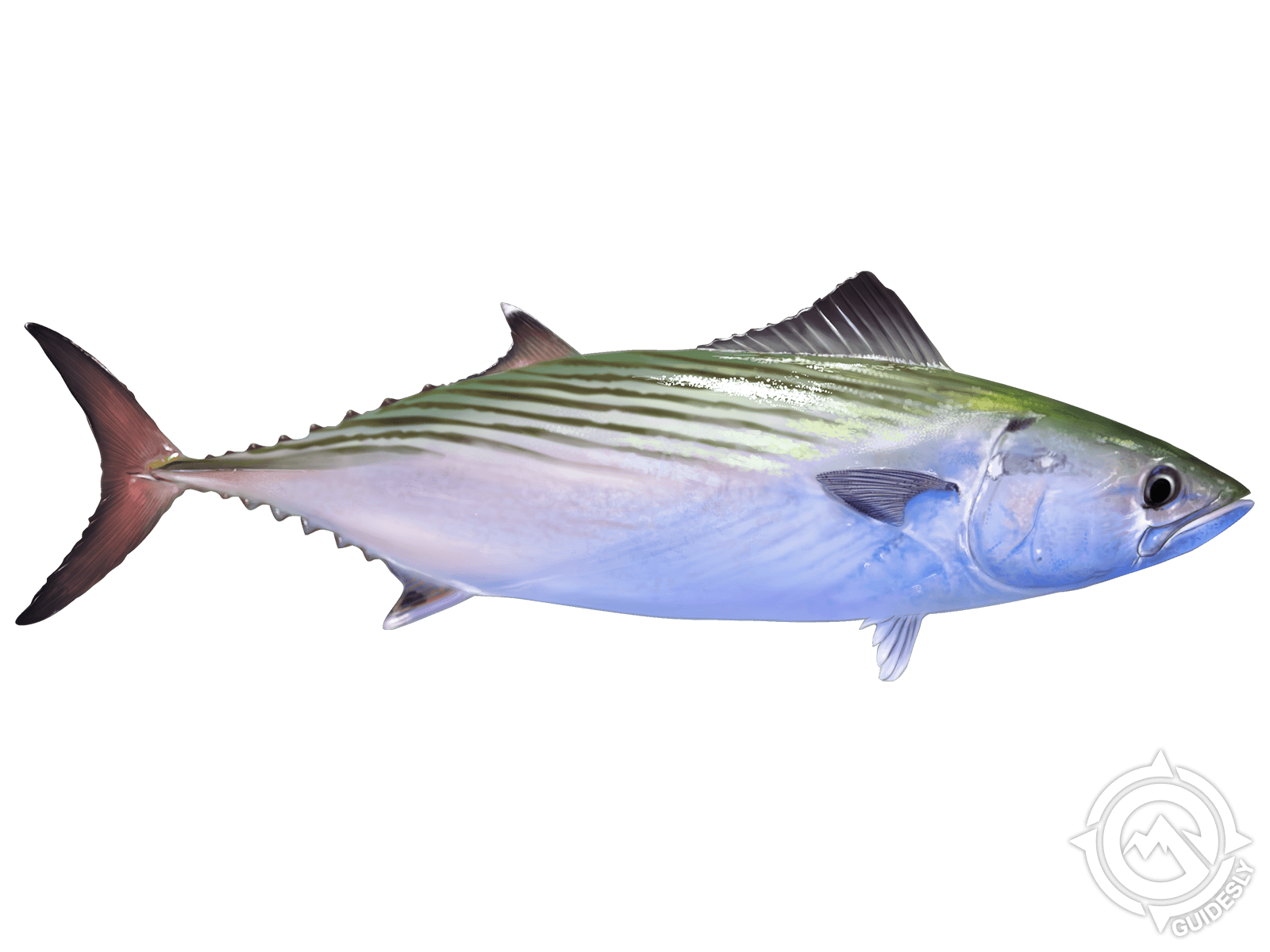
The Atlantic Bonito (Sarda Sarda) is a sleek, high-speed predator belonging to the Scombridae family within the order Perciformes. This mackerel-like fish is instantly recognizable by its silver body adorned with a blueish-green dorsal fin and striking black stripes running along its sides. Often mistaken for white tuna or called by its alternate names—false albacore or little tunny—the Atlantic Bonito is a fascinating species that commands respect among coastal anglers. What makes this fish truly remarkable is its torpedo-shaped body with an exceptionally narrow caudal peduncle, which enables it to rocket through the water at speeds reaching 40 mph. Whether you're fishing the Atlantic coast or exploring marine ecosystems, encountering a feeding school of Atlantic Bonito is an unforgettable experience that showcases nature's raw power and efficiency.
Atlantic Bonito Overview
The Atlantic Bonito is a pelagic powerhouse found throughout the Atlantic Ocean's coastal waters, ranging from Nova Scotia in the north all the way down to Argentina in South America. This migratory species thrives in nearshore and reef environments, and while it's scarce in the Gulf of Mexico, it's incredibly abundant along the eastern seaboard. The fish is particularly popular in Mediterranean and Black Sea regions, where it's often canned and consumed as a food staple. In the United States, however, the Atlantic Bonito is rarely used for consumption due to its oily composition, making it a catch-and-release favorite or occasional baitfish for anglers pursuing larger game species.
Atlantic Bonito Habitat and Distribution
Atlantic Bonito inhabit coastal Atlantic waters extending from Nova Scotia southward along the entire eastern seaboard through to Argentina. These fish prefer pelagic (open water) environments rather than bottom-dwelling zones, and they're most commonly encountered in nearshore and reef habitats. They've adapted to gradual temperature transitions and thrive best in water temperatures ranging from the 60s, though they can survive in waters as cold as the 50s. Occasionally, they venture into brackish saltwater areas, but their primary domain remains the open Atlantic. Their presence in the Mediterranean Sea and Black Sea demonstrates their adaptability to varied marine environments, where they've become an important commercial species for canning operations.
Atlantic Bonito Size and Weight
Typical Atlantic Bonito specimens range from 8 to 36 inches in length, with average weights between 10 to 12 pounds. However, these fish can grow considerably larger under optimal conditions, with documented sizes reaching up to 30 inches and weights approaching 12 pounds for common catches. The world record specimen is a remarkable 18 pounds 4 ounces, caught in the Azores and standing as a testament to the species' growth potential. The average lifespan of an Atlantic Bonito is approximately 15 to 18 years, allowing them to reach substantial sizes in their maturity. For anglers, this size range makes them an exciting target—large enough to provide a thrilling fight yet manageable enough for recreational fishing success.
Atlantic Bonito Diet and Behavior
The Atlantic Bonito is a ram ventilator, meaning it cannot bite and must consume prey whole. This unique feeding adaptation defines much of its hunting behavior—it pursues schools of smaller fish including mackerel, menhaden, alewives, sardines, and sand lance with relentless speed and aggression. One of the most visually distinctive behaviors is how schools of Atlantic Bonito swim with their dorsal fins raised above the water surface, creating an appearance eerily similar to a school of small sharks. These massive schools feed actively at the surface, often breaching and jumping in pursuit of prey—a telltale sign that draws both seabirds and savvy anglers to their location. When feeding, they're incredibly aggressive and will strike almost any lure or bait presented to them. Larger predators such as tuna, marlin, and wahoo hunt Atlantic Bonito themselves, keeping them constantly alert and mobile.
Atlantic Bonito Spawning and Seasonal Activity
As a migratory species, Atlantic Bonito exhibit seasonal movement patterns tied to water temperature and prey availability. They adjust to gradual temperature changes throughout the year, shifting their range northward during warmer months and southward as temperatures cool. This migration pattern makes them more prevalent along the northeastern coast during summer and fall months, with activity concentrated in nearshore feeding zones where baitfish congregate. While specific spawning dates aren't extensively documented in common fishing literature, their presence along various coastal regions suggests breeding occurs in multiple locations throughout their expansive range. Anglers can capitalize on these seasonal shifts by targeting areas where warming waters trigger increased surface feeding activity.
Atlantic Bonito Techniques for Observation or Capture
Trolling with Fast-Moving Lures: The most effective approach involves trolling fast-moving lures or live bait behind a moving boat. Once you locate a feeding school—often visible by their distinctive dorsal fins breaking the surface or by following seabirds—maintain speed and cast fast-moving plastic lures, metal jigs, or epoxy combinations directly into the school. Plastic lures offer excellent flexibility and don't sink as quickly as metal, keeping your bait in the strike zone longer. For windy conditions, metal lures provide superior casting distance and control. Menhaden, mackerel, squid pieces, and sand lance work exceptionally well as live bait alternatives.
Live Bait Presentation: Presenting live mackerel, menhaden, or sand lance near reef structures and nearshore drop-offs capitalizes on the Atlantic Bonito's natural feeding patterns. Cast live bait into areas where you've spotted feeding activity or where schools are known to congregate. The species' aggressive nature means strikes typically come within seconds of a proper presentation. This method is particularly effective during peak feeding windows in late morning and afternoon hours.
Localized Tip: Around the Atlantic coastal regions from Massachusetts to the Carolinas, look for Atlantic Bonito schools in late summer and early fall when they're actively feeding in preparation for migration. Watch for diving seabirds and surface disturbance as your primary indicators, then position your boat to intercept the school's movement pattern rather than casting directly at them.
Atlantic Bonito Culinary and Utilization Notes
In the United States, the Atlantic Bonito is rarely consumed due to its high oil content and strong flavor profile, making it less desirable for fresh table fare compared to other game fish. However, in Mediterranean and Black Sea regions, this species is highly valued and frequently processed into canned products, often marketed as canned tuna. The fish's oily composition, while limiting its appeal in American cuisine, actually makes it an excellent baitfish for pursuing larger predators like tuna, marlin, and wahoo. Many U.S. anglers view a caught Atlantic Bonito as either a bonus catch while targeting other species or as a ready-made bait for bigger game. Importantly, the Atlantic Bonito has no size or bag regulations in the United States, allowing anglers complete freedom in their pursuit and retention policies.
Atlantic Bonito Frequently Asked Questions
Q: What is the best bait or lure for catching Atlantic Bonito?
A: Live bait such as menhaden, mackerel, sardines, and sand lance work exceptionally well. For lures, fast-moving plastic options are ideal for most conditions, while metal jigs perform better in windy weather. Epoxy jigs provide an excellent middle ground combining the benefits of both materials. The key is matching the speed of your retrieve to the fish's hunting intensity—when they're feeding aggressively, almost any fast-moving lure will trigger strikes.
Q: Where can I find Atlantic Bonito near my location along the Atlantic coast?
A: Atlantic Bonito are found from Nova Scotia southward along the entire eastern seaboard through to Argentina, with peak concentrations in nearshore and reef environments. Summer and fall months see increased activity along the northeastern coast, while southern populations remain year-round. Check with local fishing reports and look for feeding schools identified by raised dorsal fins and seabird activity as your best location indicators.
Q: Is Atlantic Bonito good to eat?
A: In the United States, Atlantic Bonito is not typically consumed due to its oily composition and strong flavor. However, in Mediterranean and Black Sea regions, it's a valued food fish often canned and marketed as canned tuna. Most American anglers use Atlantic Bonito as baitfish for larger predators rather than for personal consumption, and there are no size or bag regulations limiting your catch.
Q: What's the difference between Atlantic Bonito and white tuna?
A: Atlantic Bonito is frequently confused with white tuna, but they are distinct species. Atlantic Bonito, also called false albacore or little tunny, belongs to the Scombridae family and is characterized by its black stripes, blueish-green dorsal fin, and narrower body profile. Learning to distinguish the striping pattern and body shape will help you correctly identify Atlantic Bonito during your fishing adventures.
Q: When is the best time to catch Atlantic Bonito?
A: Atlantic Bonito are most active during late morning and afternoon hours when surface feeding peaks. Seasonally, late summer and early fall offer peak fishing opportunities along the northeastern coast as the fish prepare for migration. Look for these fish when water temperatures are in the 60s, and watch for visible feeding activity including jumping, breaching, and dorsal fins breaking the surface.
Q: How fast can Atlantic Bonito swim?
A: Atlantic Bonito are remarkably fast swimmers capable of reaching speeds up to 40 mph, thanks to their torpedo-shaped body and narrow caudal peduncle. This speed advantage allows them to chase down and capture small fish like mackerel, menhaden, and sardines with remarkable efficiency, and it's also why they're thrilling to hook for recreational anglers.
More species you can explore on this trip


Badfish Fishing Charters Available Trips
The offshore charter boat sets up to handle serious deep-sea action with comfortable accommodations for up to 6 anglers. You'll notice immediately that everything is positioned for fishing efficiency—rod holders line the rails, the deck layout allows multiple anglers to work simultaneously without crowding, and the crew has room to move freely while helping you land fish. The boat maintains adequate freeboard to handle offshore conditions and features safety railings throughout. Below deck or in covered areas, there's enough shelter to escape intense sun or unexpected spray. The boat carries redundant systems for navigation and communication, plus all the tackle staging needed to switch between different target species and techniques. What makes the experience work is that the vessel is purpose-built for the fishing rather than retrofitted—everything from rod storage to bait stations is exactly where it needs to be to maximize your time catching fish instead of fumbling with logistics.