%2Ffit-in%2F250x250%2Fguide_websites%2F10717%2Fimages%2F1775086559438logo1.jpg&w=1920&q=100)
/users/374ead36-9b5a-41ae-8e07-2fc779b32884/ratecard/527025339_1071058401801448_6335225877551394413_n.jpg)
%2F300x300%2Fusers%2F374ead36-9b5a-41ae-8e07-2fc779b32884%2Fratecard%2F527025339_1071058401801448_6335225877551394413_n.jpg&w=256&q=75)
%2F300x300%2Fusers%2F374ead36-9b5a-41ae-8e07-2fc779b32884%2Fimages%2Ffishing-in-north-carolina-2914.jpg&w=256&q=75)
%2F300x300%2Fusers%2F374ead36-9b5a-41ae-8e07-2fc779b32884%2Fimages%2Fred-grouper-fishing-nc-2860.jpg&w=256&q=75)
%2F300x300%2Fusers%2F374ead36-9b5a-41ae-8e07-2fc779b32884%2Fimages%2Fgag-grouper-catch-nc-2876.jpg&w=256&q=75)
%2F300x300%2Fusers%2F374ead36-9b5a-41ae-8e07-2fc779b32884%2Fimages%2Ffishing-sneads-ferry-2559.jpg&w=256&q=75)
%2F300x300%2Fusers%2F374ead36-9b5a-41ae-8e07-2fc779b32884%2Fimages%2Fgag-grouper-sneads-ferry-2592.jpg&w=256&q=75)
%2F300x300%2Fusers%2F374ead36-9b5a-41ae-8e07-2fc779b32884%2Fimages%2Fgreat-barracuda-fishing-nc-2517.jpg&w=256&q=75)
%2F300x300%2Fusers%2F374ead36-9b5a-41ae-8e07-2fc779b32884%2Fimages%2Ftwo-king-mackerel-sneads-ferry-2590.jpg&w=256&q=75)
%2F300x300%2Fusers%2F374ead36-9b5a-41ae-8e07-2fc779b32884%2Fimages%2F6-king-mackerel-great-barracuda-2912.jpg&w=256&q=75)
%2F300x300%2Fusers%2F374ead36-9b5a-41ae-8e07-2fc779b32884%2Fimages%2Fwahoo-fish-north-carolina-2427.jpg&w=256&q=75)
%2F300x300%2Fusers%2F374ead36-9b5a-41ae-8e07-2fc779b32884%2Fimages%2Ffishing-fun-in-nc-2442.jpg&w=256&q=75)
Sneads Ferry Skilled Angler Charter Badfish
 Sneads Ferry, NC, United States
What you will be catching:
 Black Sea Bass
 Bluefish
 King Mackerel
 Scup
Scup Spanish Mackerel
- 4-hour nearshore charter targeting multiple offshore species
- Experienced crew provides local expertise for skilled anglers
- Small group capacity of 5 people maximum per trip
Trip Pricing and Availabilities:
Sneads Ferry Nearshore Charter for Skilled Anglers
If you're an angler who knows the difference between a drag setting and a fish finder, this 4-hour nearshore charter out of Sneads Ferry is calling your name. We're talking about a trip that cuts straight to the chase – no hand-holding, just solid fishing action up to 5 miles offshore where the real fish live. This isn't your typical tourist charter where you're fighting crowds and waiting for someone else to set your hook. With only 5 spots available, you'll have plenty of room to work your rod and actually fish the way you want to fish. The waters off Sneads Ferry hold some of North Carolina's most consistent nearshore action, and when you've got the skills to back it up, these fishing grounds deliver day after day.
What to Expect on the Water
This charter runs like clockwork for anglers who want to maximize their time on productive water. We'll head out from Sneads Ferry and make the run to our target zones, which typically puts us in 15 to 40 feet of water depending on what's biting best. The beauty of this trip is the variety – you're not locked into chasing just one species all day. Instead, we'll move between structure, reefs, and open water based on what the fish are doing and what you want to target. The crew knows these waters like the back of their hand, but they're not here to babysit. They'll point you toward the hot spots, share what's working, and let you do what you do best. Expect consistent action throughout the 4-hour window, with enough variety to keep things interesting whether you prefer bottom fishing the structure or working the water column for pelagics.
Techniques & Tackle Setup
The fishing style varies based on what we're targeting, but you'll want to be comfortable with both bottom rigs and moving baits. For the structure fish like sea bass and porgies, we're talking standard bottom rigs with circle hooks and enough weight to stay put in the current. When the Spanish mackerel and bluefish are running, we'll switch gears to lighter tackle with small spoons, jigs, or live bait rigs. King mackerel fishing means stepping up to wire leaders and either trolling or live bait fishing depending on conditions. The boat comes equipped with quality gear, but if you've got your own setup dialed in, bring it along. Most anglers find that medium to medium-heavy spinning or conventional gear in the 20-30 pound class covers most situations we'll encounter. The crew will have fresh bait and the local knowledge to put you on fish, but they expect you to know how to work your gear and fight your own fish.
Top Catches This Season
King mackerel are the crown jewel of this nearshore fishery, and for good reason. These fish are pure muscle and attitude, typically running anywhere from 15 to 40 pounds in these waters. They show up strongest from late spring through early fall, and when they're here, they're aggressive. Kings will hit live bait, trolled baits, and even fast-retrieved jigs when they're feeding. The fight is what sets them apart – long runs, jumping, and enough power to test your drag system and your arms. Black sea bass are the bread and butter fish that keep the action steady when other species are finicky. They're structure-oriented fish that hang around reefs, wrecks, and hard bottom, typically running 1 to 3 pounds with occasional larger fish mixed in. They're aggressive biters and excellent table fare, making them a favorite among anglers who want consistent action and a good meal.
Spanish mackerel bring speed and numbers to the mix, especially during their peak runs in summer and early fall. These fish are built for speed, and when a school moves through, you can hook fish on nearly every cast. They're perfect for light tackle fishing and respond well to small jigs, spoons, and cut bait. Bluefish are the aggressive opportunists that show up when you least expect them and provide some of the most explosive strikes you'll experience. They travel in schools and when they're feeding, the action can be non-stop. Scup, also known as porgy, are the underrated fighters that surprise many anglers with their strength relative to their size. They're smart fish that require finesse at times, but when you dial in the right presentation, they'll keep your rod bent all day.
Time to Book Your Spot
This charter fills up with repeat customers who know what they're getting – quality fishing time without the fluff. The 5-person limit means you're not elbow-to-elbow with other anglers, and the 4-hour duration is perfect for hitting multiple spots without wearing yourself out. The crew at Badfish Fishing Charters has built their reputation on putting skilled anglers on fish consistently, and they're not interested in wasting anyone's time. Whether you're looking to add some variety to your fishing routine or you want to test your skills against some of North Carolina's best nearshore species, this trip delivers the goods. Keep in mind that deposits are non-refundable, so make sure your schedule is locked in before you commit. The fishing off Sneads Ferry is as good as it gets for nearshore action, and with the right approach and a little bit of luck, you'll walk away with some great fish stories and maybe dinner for the next few nights.
Learn more about the species
Black Sea Bass
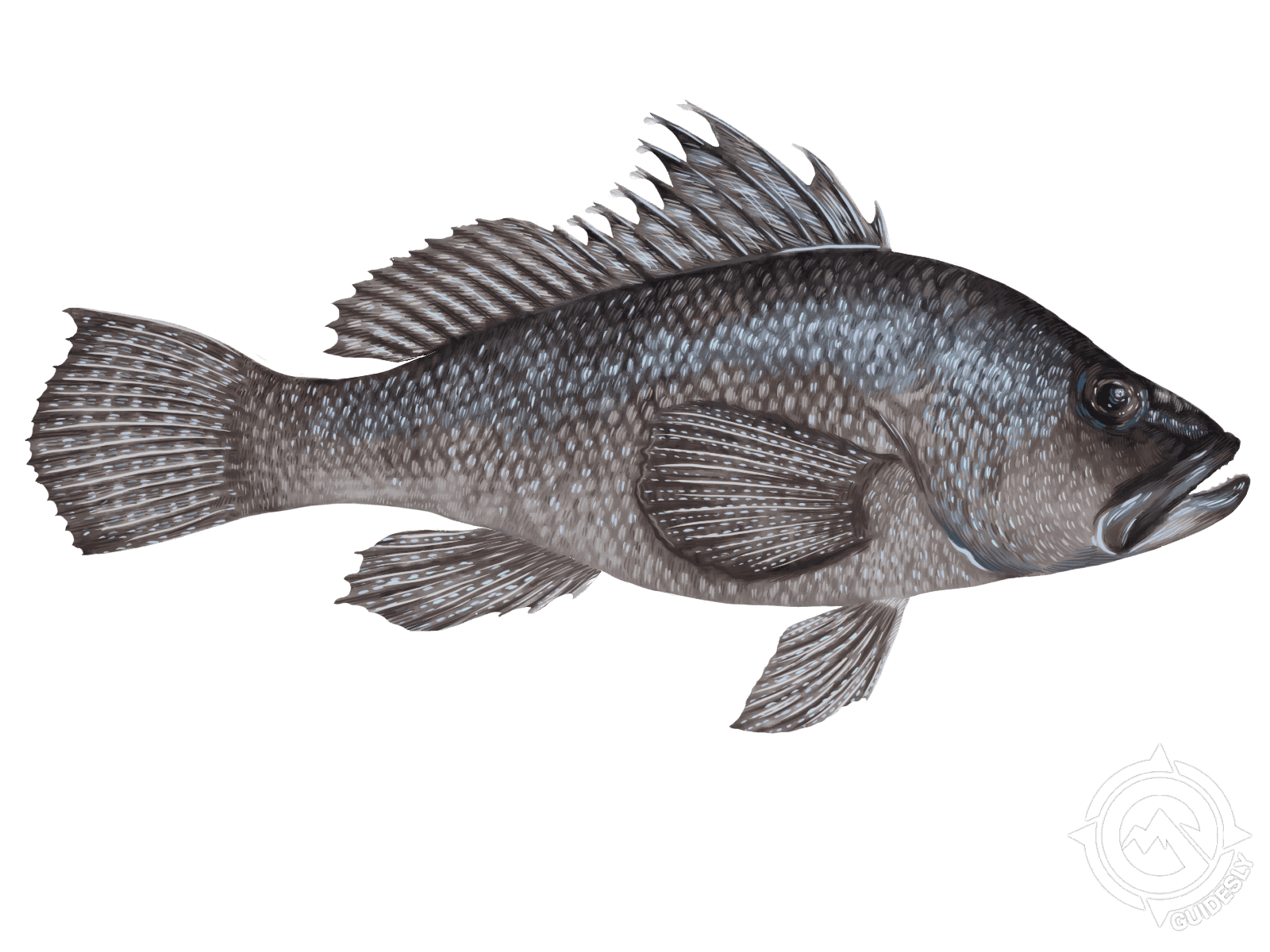
Black sea bass are chunky members of the grouper family, typically running 1-4 pounds with some reaching 8+ pounds. These gray-to-black fish with white-centered scales love structure - wrecks, rocky bottom, jetties, and old pilings in depths under 120 feet. Males develop a bright blue color and head hump during spawning season, which is pretty cool to see. Late spring through summer offers the best fishing when they gather nearshore before migrating south for winter. What makes sea bass popular is their solid fight until they hit the surface, plus they're outstanding table fare with firm, sweet meat. They're curious fish that respond well to both live bait like squid strips and jigs bounced near bottom. The bigger males hold in deeper water and rockier areas. Here's a guide secret: when you hook one, keep steady pressure but don't horse them up - they'll often shake the hook once they see the boat. Medium tackle with 20-30 pound line works perfect for these scrappy bottom dwellers.
Bluefish
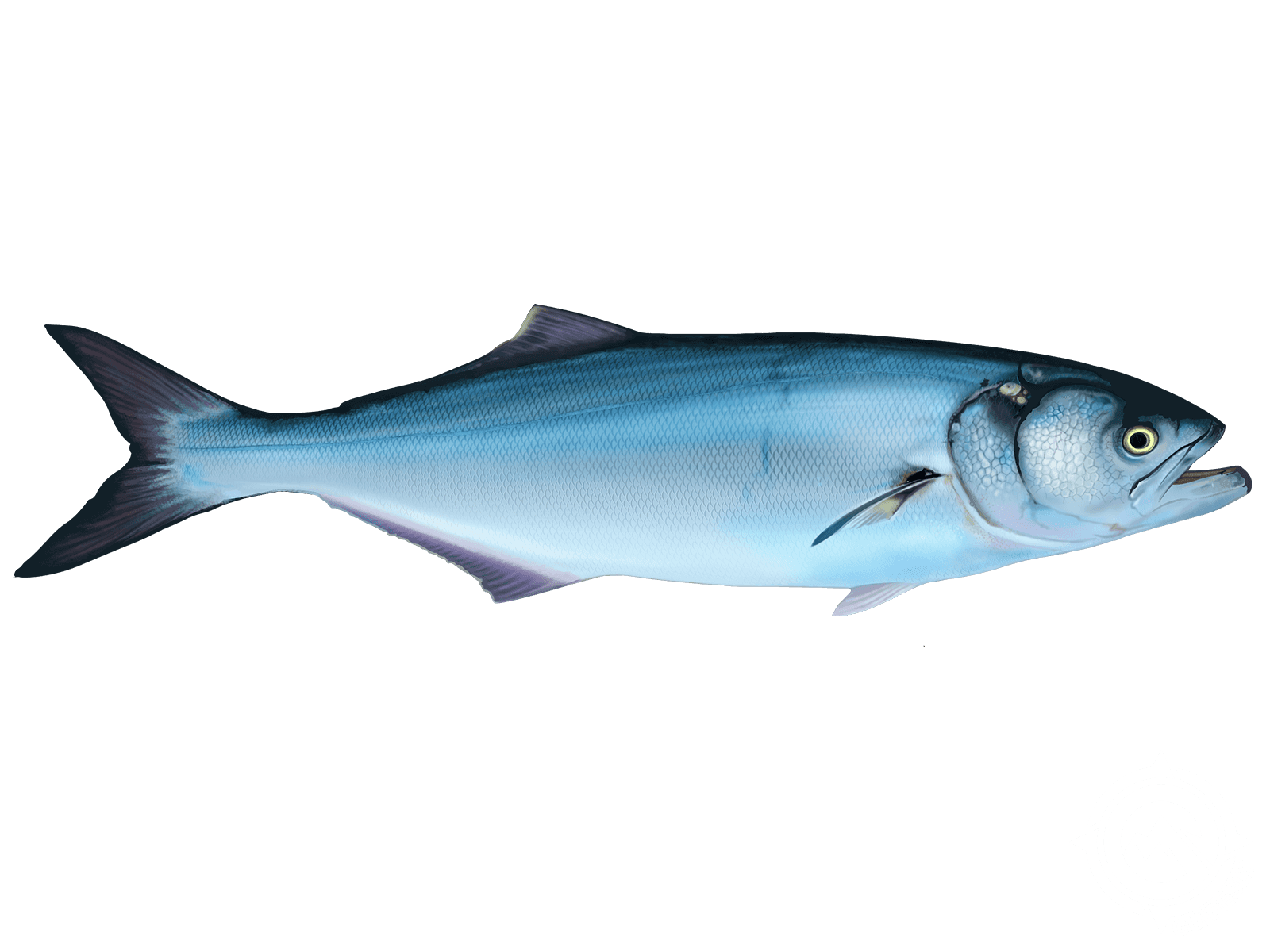
Blues are aggressive predators that average 5-20 pounds with broad tails and razor-sharp triangular teeth. They roam our nearshore waters in schools, often creating those famous "bluefish blitzes" where they churn the surface like washing machines attacking baitfish. Summer brings them into our area from deeper winter grounds down south. What guests love about bluefish is their fierce fight and willingness to hit almost anything - spoons, plugs, cut bait, you name it. They're excellent table fare when prepared fresh, though bigger fish over 10 pounds have stronger flavor. Blues inhabit everything from surf zones to continental shelf edges, preferring areas with moving water and baitfish. The action peaks during summer when smaller "snappers" provide great sport for kids. Always use a wire leader - those teeth will slice through mono instantly. Pro tip: when handling blues, grab them behind the head and watch those chompers - they'll bite anything that moves, even when they're in the cooler.
King Mackerel
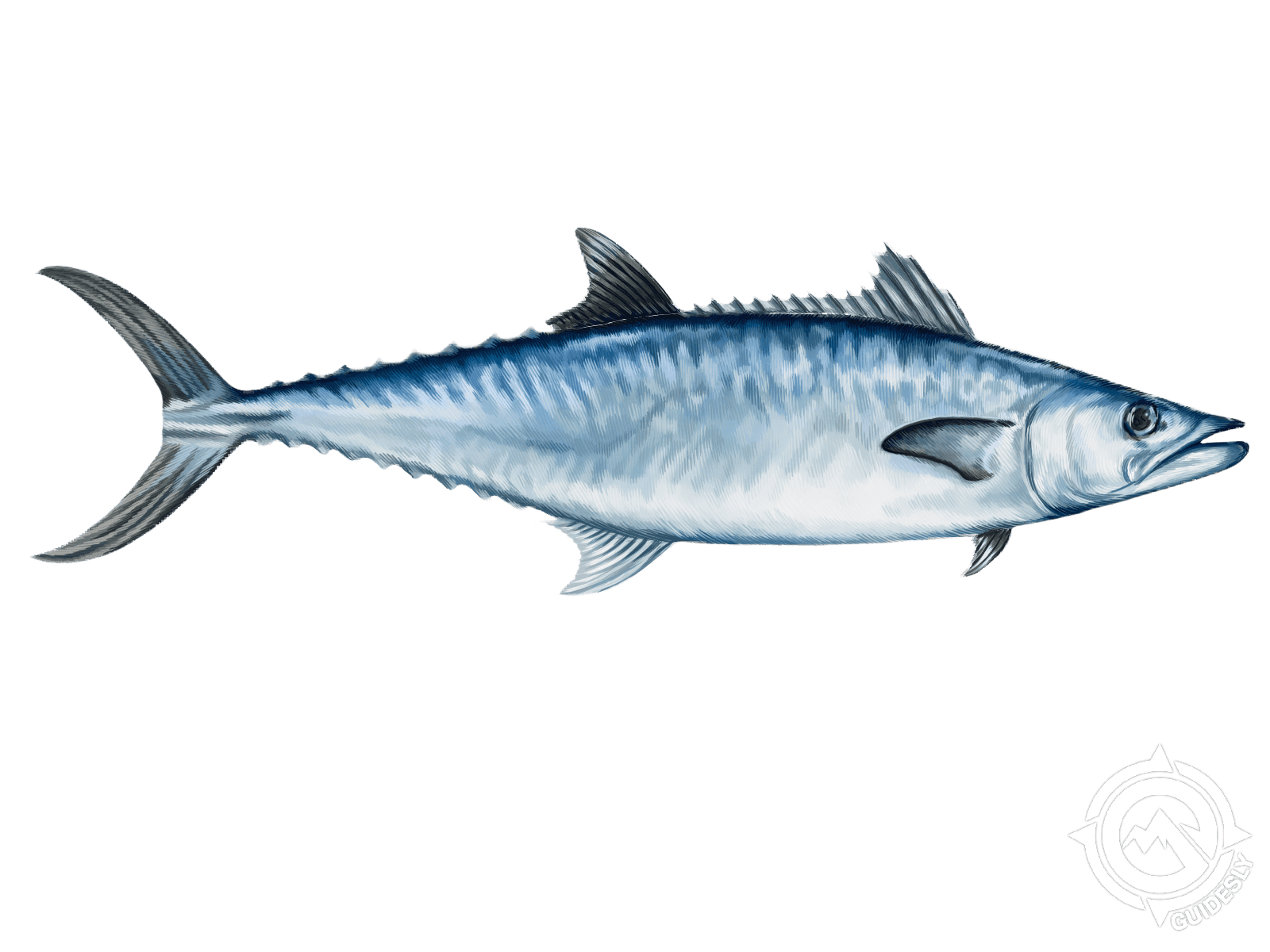
Kings are the speed demons of our waters, averaging around 30 pounds but capable of hitting 90+ on rare occasions. We find them in 40-150 feet of water, often around structure or temperature breaks. They're voracious feeders that'll chase down anything from blue runners to squid with razor-sharp teeth that can slice through regular leaders like butter. Spring through fall offers the best action when they're actively feeding nearshore. What makes kings special is that initial blistering run - they'll peel line off your reel faster than almost any fish out here. The meat's excellent when fresh, though bigger fish can be strong-flavored. Pro tip: always use a wire leader and rig your live bait with two hooks - one through the nose, another near the tail. Kings love to bite baitfish in half, so that stinger hook back there will save you plenty of missed fish.
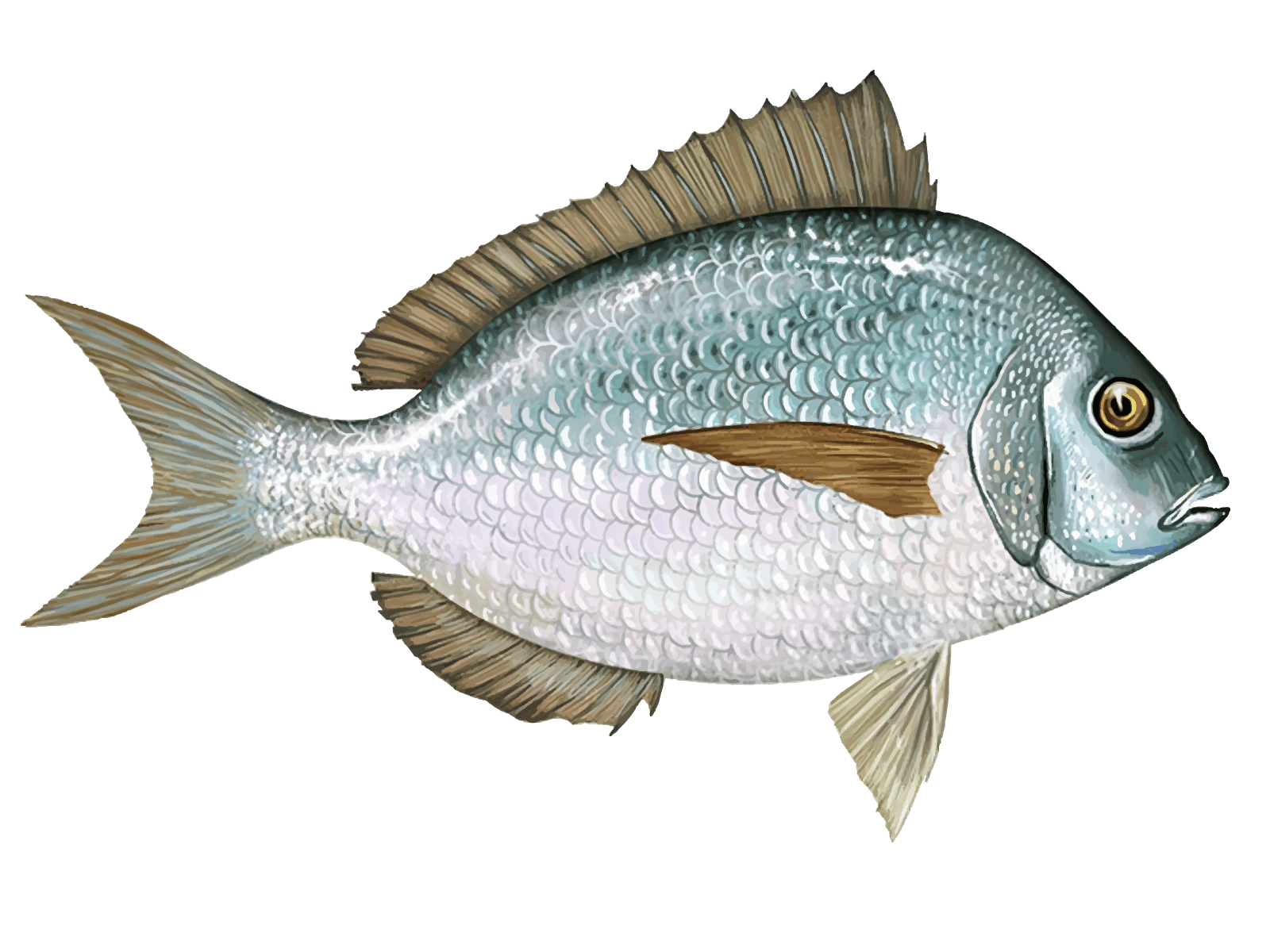
Scup
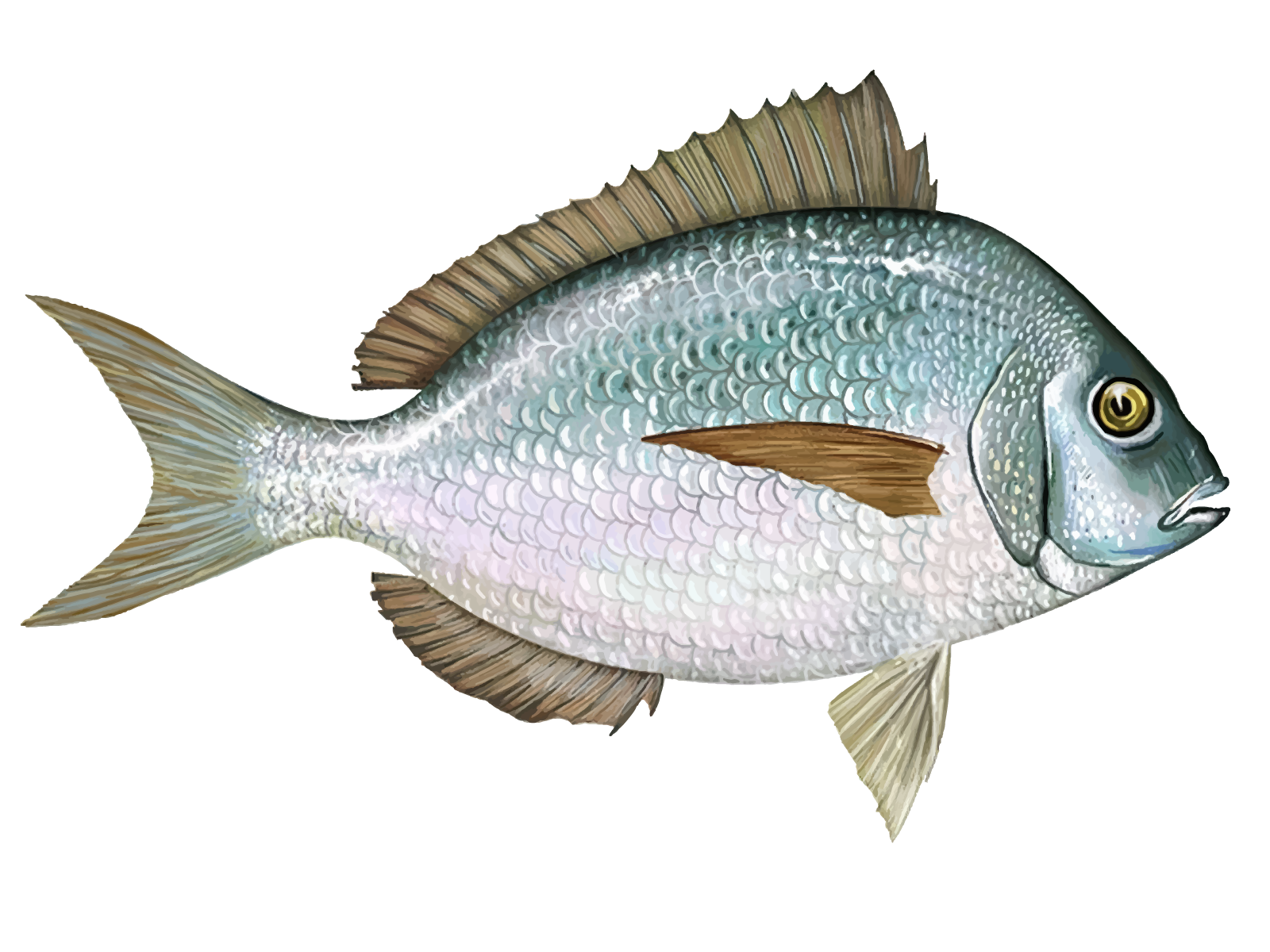
Scup, or porgy as most folks call them, are chunky little fighters that run 1-4 pounds and live up to 20 years. These silver-scaled beauties with rainbow reflections love hanging around rocky bottom, wrecks, and pilings where they crush shells with powerful jaws. They're migratory, showing up nearshore from May through October when water warms up, then heading south and deep for winter. What guests love about scup is how they bend the rod - they fight harder than their size suggests and they're fantastic eating with firm, sweet meat. They're also perfect live bait for stripers and even marlin. Best fishing happens late spring through summer on bottom rigs with squid, clams, or worms on 14-pound test. Here's the trick: when you feel that first tap, don't set the hook right away. Let them chew on it for a second - scup like to mouth bait before committing.
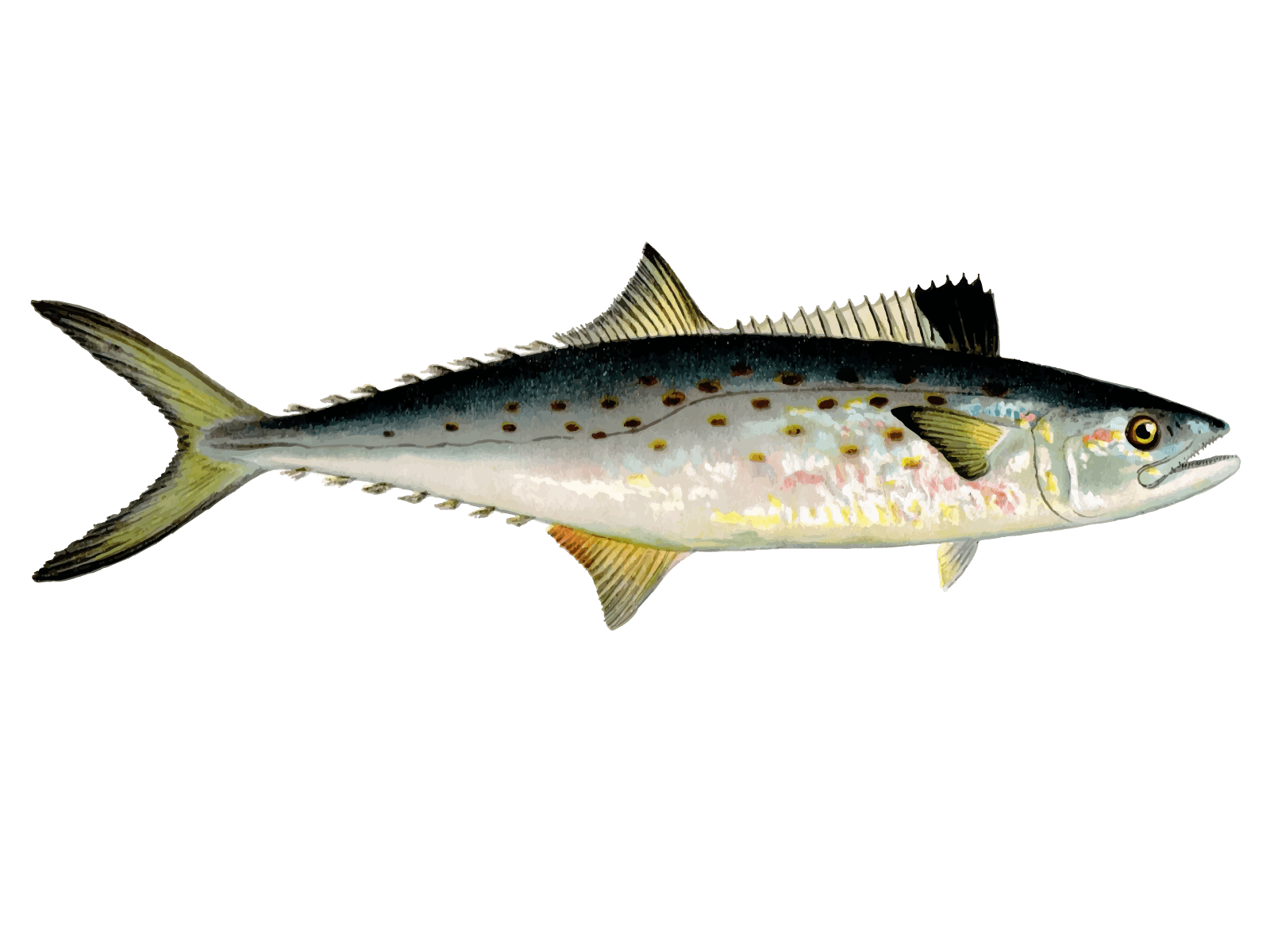
Spanish Mackerel
Spanish mackerel are silver bullets with yellow spots that typically run 1-2 feet and 8-11 pounds. These speed merchants cruise at over 18 feet per second and travel in massive schools that can stretch for miles. We target them in nearshore waters around structure and open flats, especially when water temps hit the 70s. Spring through fall brings the best action as they migrate through our area. What makes Spanish fun is their aggressive strikes on small spoons and jigs, plus they're some of the best eating fish in the ocean - mild, flaky meat that's perfect grilled or smoked. They're fast growers too, reaching maturity in just two years. The key to success is staying mobile and watching for bird activity or surface disturbance. When you find a school, work fast with light tackle and small flashy lures. Here's a local tip: don't anchor when you find them - drift through the school to avoid spooking the whole group.
About the Badfish Boat
%2F%2Fusers%2F374ead36-9b5a-41ae-8e07-2fc779b32884%2Fvehicle_picture%2Fboat41-mngnnfft.jpg&w=1920&q=75)
Vehicle Guest Capacity: 6
Manufacturer Name: Yanmar
Maximum Cruising Speed: 25
Number of Engines: 2
Horsepower per Engine: 340
Our well-equipped fishing vessel accommodates up to 5 anglers for this 4-hour nearshore adventure out of Sneads Ferry. Built for stability and comfort, the boat handles the waters up to 5 miles offshore with ease, giving you a solid platform to target Seabass, Grunt, Porgy, Spanish Mackerel, Bluefish, and King Mackerel. The spacious deck provides plenty of room for everyone to fish without crowding, while our experienced crew keeps the boat positioned over productive spots. All necessary safety equipment is aboard, and we maintain our gear to professional standards. This hands-on fishing experience puts you right in the action, with consistent opportunities to test your skills against a variety of species. Perfect for small groups who want productive time on the water without the hassle of navigating or finding fish themselves.